Introduction
One of the biggest challenges in weight loss is not what you eat—but how much you eat. Portion control is a powerful yet simple tool that can help you reduce calorie intake without eliminating your favorite foods.
What Is Portion Control?
Portion control means managing the amount of food you eat in one sitting. It helps prevent overeating and allows you to enjoy a balanced diet without strict restrictions.
Why Portion Control Matters
Even healthy foods can lead to weight gain if eaten in large quantities. Portion control helps:
- Reduce calorie intake
- Improve digestion
- Prevent overeating
- Support long-term habits
Common Portion Mistakes
- Eating directly from packages
- Oversized restaurant servings
- Using large plates
- Ignoring hunger/fullness signals
Practical Portion Control Tips
1. Use Smaller Plates
This creates the illusion of a full plate and helps reduce intake.
2. Measure Your Food
Use measuring cups or a food scale when starting out.
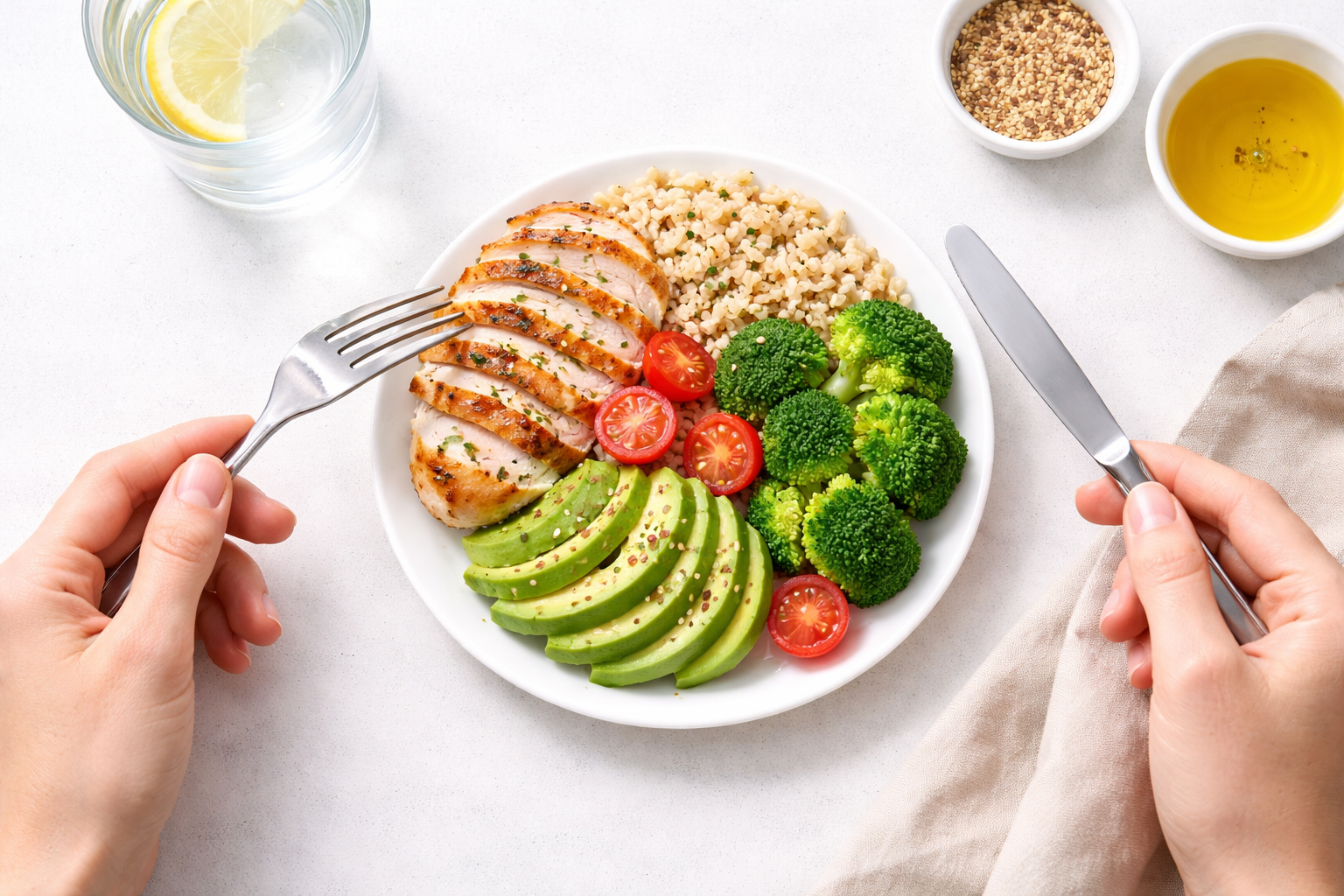
3. Follow the Plate Method
- Half plate: vegetables
- Quarter: protein
- Quarter: carbs
4. Eat Slowly
Give your body time to recognize fullness.
5. Avoid Distractions
Eating while watching TV often leads to overeating.
Portion Control Without Counting Calories
You don’t always need to track calories. You can use your hand as a guide:
- Palm = protein
- Fist = vegetables
- Cupped hand = carbs
- Thumb = fats
Eating Out Tips
- Share meals
- Order smaller portions
- Avoid upsizing
- Stop eating when full
Conclusion
Portion control is a flexible and sustainable approach to weight loss. Instead of cutting foods out, you simply learn to eat the right amount.
Small changes in portion size can lead to big results over time.